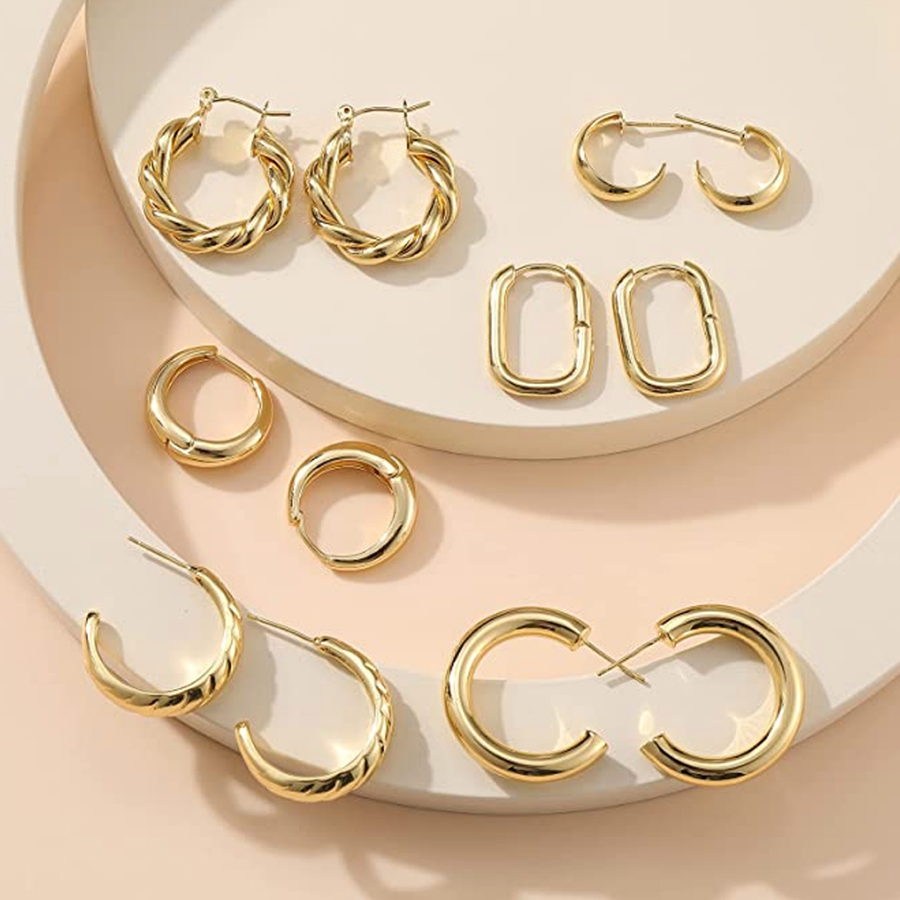
How Accessories Can Transform Your Mood: A Deep Dive
Accessories are not just an afterthought in fashion; they play a pivotal role in elevating not only your outfit but also your mood. A statement necklace or a pair of vibrant earrings can instantly brighten your day, serving as an expression of your personality. Studies have shown that colors and styles can evoke different emotions, making it essential to choose accessories that resonate with how you want to feel. For example, wearing something bright and colorful can enhance your mood, while more subdued tones can create a peaceful atmosphere.
Moreover, the act of selecting and wearing accessories can boost your confidence significantly. As you adorn yourself with carefully chosen pieces, you may find yourself standing a little taller and smiling a bit more. Jewelry, hats, and bags not only complete your look but also act as a personal armor, empowering you to face the world with a positive mindset. Remember, it’s not just about the aesthetic; it’s about how you feel. Incorporate accessories that resonate with your emotions and watch how they transform your daily outlook.
Counter-Strike is a highly popular tactical first-person shooter game that pits two teams against each other: the terrorists and the counter-terrorists. Players can choose to engage in a variety of game modes, including bomb defusal and hostage rescue, which require teamwork and strategy. For those looking to enhance their gaming setup, check out the Top 10 homepod stands that can provide you with the perfect stability and accessibility while you play. The game is known for its competitive scene and has a dedicated player base worldwide.
The Psychology Behind Accessories: What Do They Say About You?
The psychology of accessories is a fascinating field that reveals much about an individual's personality and social status. Accessories, from watches to jewelry, serve as non-verbal cues that communicate various aspects of our identity. For instance, wearing a luxurious watch may suggest a desire for success and prestige, while a more understated accessory could signal a preference for simplicity and minimalism. According to research, people often make judgments about others based on their choice of accessories, leading to assumptions regarding their competence, social group, or even their level of creativity.
Moreover, accessories can enhance self-esteem and confidence. Many individuals choose specific fashion accessories to express their personal style, subtly shaping how they perceive themselves and how they wish to be perceived by others. For example, someone wearing eye-catching statement earrings may project a bold and adventurous personality, while a simple pair of studs might indicate a classic and refined taste. This psychological connection between accessories and one’s self-image not only influences personal choices but also plays a crucial role in social interactions, where first impressions often hinge on the details of one’s appearance.
Can Accessories Really Boost Your Confidence? Exploring the Connection
Many people often underestimate the power of accessories when it comes to enhancing personal confidence. Accessories such as jewelry, bags, and even hats can serve as expression tools that reflect one's personality and style. When you choose pieces that resonate with you, they can transform your outfit and, subsequently, your mindset. Studies have shown that wearing items that you love or that hold personal significance can lead to increased self-esteem and a more positive self-image. In this context, accessories can act as a shield against self-doubt and negativity.
Moreover, the psychological impact of accessories cannot be ignored. Wearing a distinctive watch or a beautiful piece of jewelry may not only make you feel good but can also subtly influence how others perceive you. For instance, a well-chosen accessory can enhance a professional appearance and convey competence in a workplace setting. As such, the right accessories can elevate your overall look and project the confidence you desire, suggesting that there is indeed a significant connection between how we adorn ourselves and how we feel about ourselves.