Why Data Management is Crucial for Business Continuity
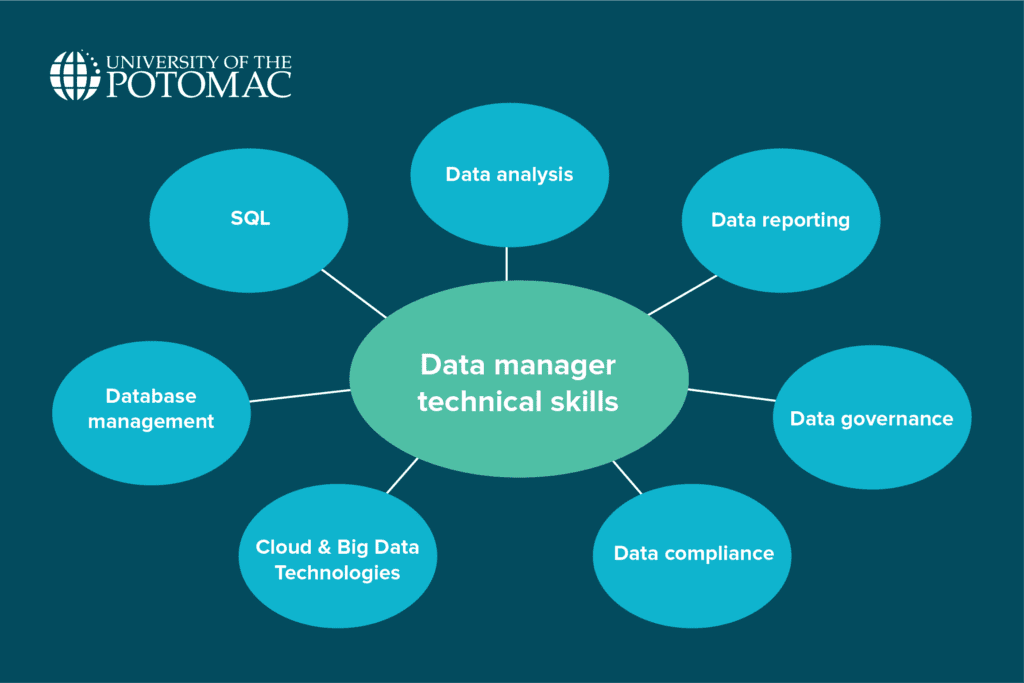
Data management plays a pivotal role in ensuring business continuity by facilitating the efficient organization, storage, and retrieval of critical information. In today's fast-paced digital landscape, companies face numerous challenges, including cybersecurity threats, data breaches, and regulatory compliance issues. Effective data management strategies help mitigate these risks by implementing robust backup systems and data recovery plans. By safeguarding data assets, businesses can maintain operational efficiency, streamline workflows, and enhance decision-making processes, thereby minimizing disruptions during unforeseen events.
Moreover, a well-structured data management system supports seamless communication across various departments, enabling teams to collaborate more effectively. It allows for real-time access to information, which is essential for timely responses to market changes and customer needs. According to recent studies, organizations that prioritize data management are not only better prepared for crises but also enjoy a competitive edge in their respective industries. Investing in advanced data management solutions is thus crucial for building resilience and ensuring long-term success in an ever-evolving business environment.
Counter-Strike is a highly popular first-person shooter game that emphasizes teamwork and strategy. With its competitive nature, players often seek ways to enhance their gaming experience, including using Top 10 mac accessories for creators to improve performance and comfort during gameplay. The game has evolved over the years, transitioning from its original mod to the highly successful Counter-Strike: Global Offensive, which continues to dominate the esports scene.
The Hidden Costs of Poor Data Management Practices
In today's data-driven world, the significance of effective data management cannot be overstated. Poor data management practices lead to a multitude of hidden costs that can significantly impact an organization's bottom line. First and foremost, inefficiency arises when data is not organized or easily accessible. According to research, employees spend up to 50% of their time searching for necessary information. This lost productivity translates directly into financial losses, making effective data management a critical component of operational success.
Furthermore, poor data quality can result in misguided business decisions. For example, relying on inaccurate data can lead organizations to invest resources in the wrong strategies, ultimately harming their competitive edge. This not only affects the financial health of the business but can also damage its reputation and customer trust. To mitigate these hidden costs, companies must prioritize data governance and implement robust data management solutions that ensure the integrity and usability of their data.
How to Implement Effective Data Management Strategies
Implementing effective data management strategies is crucial for organizations aiming to optimize their data usage and enhance decision-making. The first step is to identify your data needs by conducting a comprehensive data audit. This involves assessing the types of data you collect, where it is stored, and how it is utilized. Once you have a clear understanding of your data landscape, you can begin to establish data governance policies that dictate how data is managed, accessed, and shared across your organization. This ensures data integrity and security while promoting transparency among stakeholders.
Next, it is important to leverage technology to support your data management strategies. Invest in scalable data management tools that facilitate easy data integration, storage, and analysis. Consider utilizing cloud solutions to enhance flexibility and collaboration, especially as remote work becomes more prevalent. Additionally, implementing automated data processing systems can significantly reduce human error and increase efficiency. To maintain the effectiveness of your strategies, regularly review and update them to adapt to changing business needs and technological advancements.