10 Essential Ergonomic Tips for a Comfortable Home Office
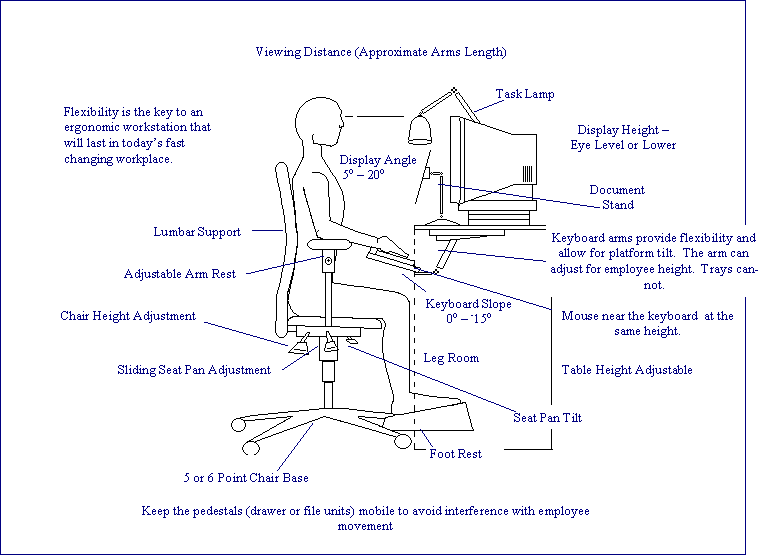
Creating a comfortable home office starts with prioritizing ergonomics. Here are 10 essential ergonomic tips that can enhance your workspace and improve your productivity:
- Choose the Right Chair: Invest in a chair that supports your lower back and promotes good posture.
- Set Your Desk Height: The top of your desk should be at elbow height to prevent strain.
- Monitor Placement: Position your monitor at eye level, about an arm's length away, to avoid neck strain.
- Use a Footrest: If your feet don’t reach the floor comfortably, a footrest can improve circulation.
- Keep Keyboards and Mice at Arm Level: Your keyboard and mouse should be on the same surface as your elbows.
In addition to these setup tips, consider adding some ergonomic accessories to enhance comfort. 10 Essential Ergonomic Tips should also include:
- Adjustable Desks: Using a sit-stand desk allows you to alternate between sitting and standing.
- Wrist Supports: These can help prevent strain during long typing sessions.
- Desk Organization: Keep frequently used items within arm’s reach to avoid repetitive movements.
- Take Breaks: Stand up and stretch every hour to keep your blood flowing.
- Lighting: Ensure your workspace is well-lit to reduce eye strain.
Counter-Strike is a popular multiplayer first-person shooter game that has captivated players since its inception. Originally developed as a mod for Half-Life, it has evolved into various versions, including Counter-Strike: Global Offensive. Players engage in team-based gameplay, where they can choose to be terrorists or counter-terrorists, completing objectives or eliminating the opposing team. For gamers looking to enhance their experience, check out the Top 10 MacBook Air accessories that can improve performance and comfort during gameplay.
Choosing the Right Furniture: What to Look for in Ergonomic Design
When it comes to choosing the right furniture, one of the most crucial aspects to consider is ergonomic design. Ergonomic furniture is specifically crafted to support the natural movements of the body, helping to reduce strain and promote better posture. Look for features such as adjustable seating, lumbar support, and height customization. Additionally, consider the materials used; breathable fabrics and durable frames can significantly enhance comfort and longevity. Always assess how the furniture will fit in your space, ensuring it allows for adequate movement and workflow.
Another important factor in ergonomic design is the shape and layout of your furniture. Opt for items that encourage an open and easy flow, minimizing awkward angles or hard-to-reach areas. For instance, ergonomic desks often come with a curved surface that promotes a relaxed position while working. Don't forget to check for certifications and reviews, as these can provide insight into the quality and effectiveness of the ergonomic features. By focusing on these elements, you can make an informed decision that enhances both your comfort and productivity.
How to Create an Ergonomically Friendly Living Space: A Step-by-Step Guide
Creating an ergonomically friendly living space is essential for maintaining comfort and preventing strain during daily activities. Start by assessing your current layout and identifying areas where you spend the most time, like your home office or living room. Prioritize functional furniture that supports good posture, such as adjustable chairs and desks. Here are some steps to follow:
- Choose hardware that allows for adjustments in height and angle.
- Ensure good lighting to reduce eye strain.
- Arrange frequently used items within easy reach.
Next, it's crucial to integrate elements that promote relaxation and well-being. Incorporate plants and artwork to enhance the aesthetic quality of your space while also improving air quality. Investing in a good mattress and pillows can greatly impact your sleep quality, which is vital for an ergonomic environment. Remember that creating an ergonomically friendly living space is an ongoing process that may require tweaks over time as your needs change. By focusing on comfort and functionality, you'll cultivate a space that supports your health and productivity.