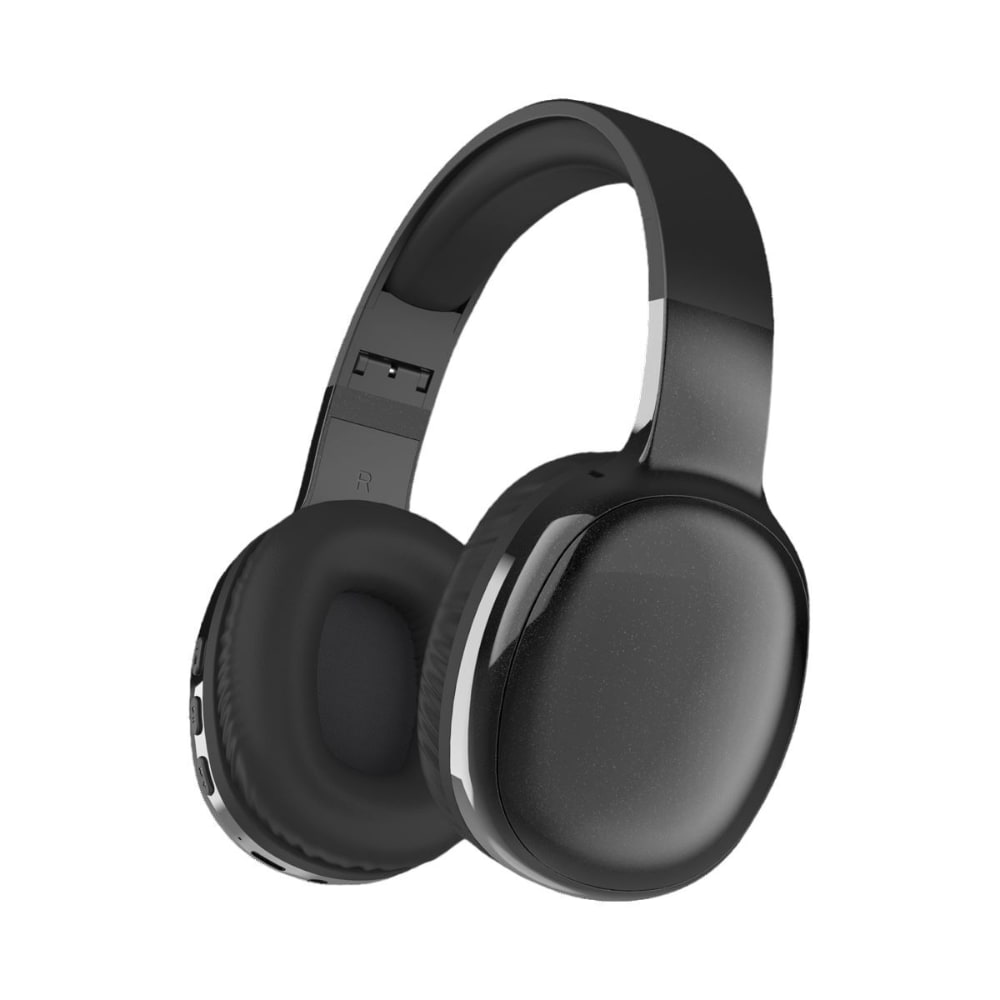
How Headphones Affect Your Hearing: What You Need to Know
Headphones can greatly enhance our listening experience, providing immersive sound quality that allows us to enjoy music, podcasts, and audiobooks in detail. However, it's important to understand that prolonged use of headphones at high volumes can lead to significant hearing loss. According to the World Health Organization (WHO), over 1 billion people are at risk of hearing loss due to recreational exposure to loud sounds, particularly through headphones. To protect your hearing, it is advised to follow the 60/60 rule: listen at no more than 60% volume for no longer than 60 minutes at a time.
Additionally, the type of headphones you use can also impact your hearing health. In-ear headphones tend to sit closer to your eardrums, which can lead to a higher risk of damage if the volume is too loud. On the other hand, over-ear headphones can create a more spacious sound environment that might encourage lower volume levels. Regardless of the type of headphones, taking regular breaks and opting for quality audio equipment can help in mitigating the risks associated with their use. Always prioritize your auditory health and stay informed about how your listening habits affect your hearing.
Counter-Strike is a popular first-person shooter game that has captivated players since its initial release in 1999. The game focuses on team-based gameplay, where players can assume the role of either terrorists or counter-terrorists, each with varying objectives. As you dive into the intense gameplay, it's essential to have the right gear, such as quality audio equipment; check out the Top 10 Earbuds for Zoom Calls to enhance your gaming experience. With its strategic depth and competitive nature, Counter-Strike has become a staple in the esports community.
The Science Behind Sound: How Your Ears Process Music
Music is a universal language that transcends cultures, but have you ever wondered how our ears process music? The journey begins when sound waves travel through the air and enter the outer ear, which funnels these waves down the ear canal. Upon reaching the eardrum, the sound waves cause it to vibrate. These vibrations are then transmitted to the three tiny bones in the middle ear, known as the ossicles, which amplify the sound. Finally, the vibrations reach the cochlea, a fluid-filled structure in the inner ear, where specialized hair cells convert these vibrations into electrical signals that are sent to the brain.
Once the brain receives these electrical signals, it interprets them as distinct sounds. This intricate process involves multiple regions of the brain working together to analyze various elements of music, such as pitch, rhythm, and harmony. The science behind sound not only explains how we hear music but also how it can evoke emotions and memories, making it a fundamental aspect of our human experience. Studies have shown that listening to music activates the brain’s reward system, releasing neurotransmitters like dopamine, which can enhance mood and promote feelings of pleasure.
Are Noise-Canceling Headphones Bad for Your Ears?
Noise-canceling headphones have become increasingly popular for their ability to block out unwanted ambient sounds, allowing users to enjoy their music or podcasts more fully. However, many individuals wonder if prolonged use of these devices can adversely affect their hearing health. The good news is that noise-canceling headphones themselves are not inherently bad for your ears. They operate by using advanced technology to create sound waves that neutralize external noise, enabling you to listen at lower volumes. This is crucial, as listening to music at high volumes is known to contribute to hearing loss over time.
It's essential to practice good listening habits while using noise-canceling headphones. Experts recommend keeping the volume at a reasonable level, ideally below 60% of the maximum volume, and taking regular breaks to give your ears a rest. Additionally, ensure that the headphones fit well to maximize their sound-canceling capabilities without strain. By following these guidelines, you can enjoy the benefits of noise-canceling technology while minimizing any potential risk to your hearing health.