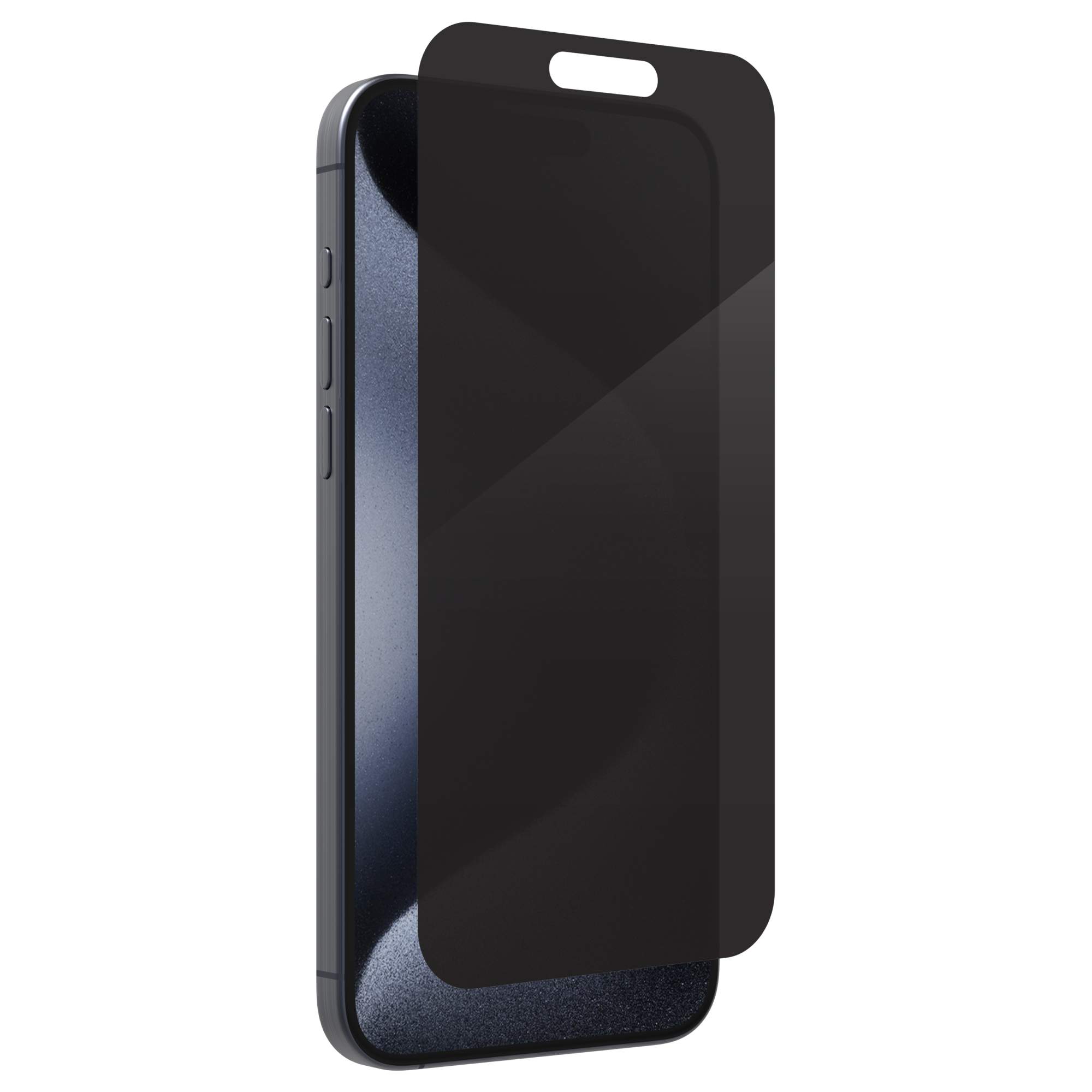
Top 5 Screen Protector Myths Debunked: What You Need to Know
Screen protectors have become essential accessories for smartphones, tablets, and other devices, yet many users are still misinformed about their purpose and effectiveness. In this article, we debunk the Top 5 Screen Protector Myths to help you make informed decisions for your device's protection. First up, many people believe that all screen protectors are created equal. This couldn't be further from the truth; there are various types including tempered glass, plastic film, and liquid screen protectors, each with its own pros and cons that cater to different needs and usage habits.
Another common myth is that applying a screen protector will void your warranty, but this is generally not the case. Most manufacturers do not consider a screen protector as a modification to the device. Additionally, some users think that using a screen protector will impair the device's touch sensitivity. In reality, high-quality protectors are designed to maintain the same responsiveness as the original screen. By understanding these myths, you'll be better equipped to protect your devices and optimize their longevity!
Counter-Strike is a highly popular tactical first-person shooter video game that pits two teams against each other: the Terrorists and the Counter-Terrorists. Known for its competitive gameplay and strategic depth, players engage in various game modes, including bomb defusal and hostage rescue. If you're looking for essential gear while gaming, check out the Top 10 iphone air cases to protect your devices while you play.
A Comprehensive Guide to Choosing the Right Screen Protector for Your Device
Choosing the right screen protector for your device is essential to keeping it safe from scratches, cracks, and everyday wear and tear. There are several types of screen protectors available in the market, including tempered glass, film, and liquid nano coatings. Each of these options has unique characteristics tailored to different user needs. For example, tempered glass protectors offer superior impact resistance and feel similar to the original screen, making them a popular choice among users who prioritize protection. On the other hand, film protectors are thinner and less obtrusive but may not provide the same level of durability.
When selecting a screen protector, consider the following factors:
- Compatibility: Ensure the protector fits your device perfectly.
- Material: Choose between tempered glass for maximum protection or film for a lightweight option.
- Features: Look for features like anti-glare, anti-fingerprint, or privacy screening.
- Installation Process: Some protectors are easy to install, while others require a more careful application.
Ultimately, the right choice will depend on your lifestyle and how you use your device.
How to Properly Install and Maintain Your Screen Protector: Tips from the Pros
Installing a screen protector might seem like a simple task, but doing it properly is crucial to ensure maximum protection against scratches and cracks. Start by cleaning your device thoroughly. Use a microfiber cloth to eliminate any dust or fingerprints, as any residue can create bubbles beneath the screen protector. If available, utilize an installation kit that often includes wipes and dust-removal stickers. Next, align the screen protector carefully above your device's screen, making sure it's perfectly centered before gently applying it. Begin the application from one edge, pressing down to eliminate air bubbles as you move to the opposite edge. It's important to follow the manufacturer’s instructions for the best results.
Once your screen protector is installed, maintaining it is equally important. Avoid using harsh chemicals or abrasive materials, as they can damage the protective layer. Instead, clean it regularly with a damp microfiber cloth to keep it clear of fingerprints and smudges. If you notice any peeling or lifting edges, gently press them back down or consider replacing the screen protector if the damage is significant. For added protection, store your device in a padded case when not in use. By following these professional tips on how to properly install and maintain your screen protector, you can extend the life of your device's display and avoid costly repairs.