How Do Noise-Canceling Headphones Work? A Deep Dive into the Technology
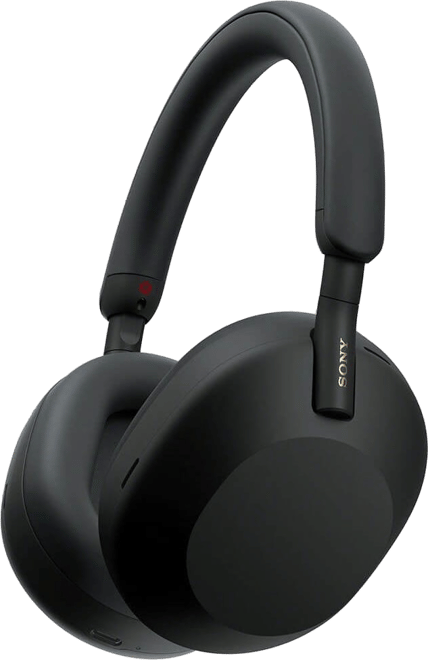
Noisy environments can be quite distracting, making it difficult to concentrate or enjoy your favorite music. This is where noise-canceling headphones come in. But how do they work? The technology primarily hinges on two types of noise cancellation: passive and active. Passive noise cancellation involves the physical design of the headphones themselves, which block out external sounds by creating a snug fit around your ears. In contrast, active noise cancellation (ANC) uses sophisticated electronics and microphones to pick up ambient noise and generate sound waves that are the exact opposite, effectively canceling them out. This interplay between sound waves is what allows users to immerse themselves in their audio experience without interruption.
The role of digital signal processing (DSP) cannot be overstated in the function of noise-canceling headphones. DSP enables the headphones to analyze the incoming sound waves quickly and adjust the opposing waves accordingly. This rapid adjustment is crucial for effectively removing unwanted noise in real time. Additionally, many modern headphones come equipped with features such as adjustable noise-cancellation settings and transparency modes, allowing users to control their listening environment further. As technology evolves, we can expect continued improvements in sound quality and user experience, making noise-canceling headphones an indispensable tool for anyone looking to enjoy their audio without distractions.
Counter-Strike is a popular first-person shooter game that pits teams of terrorists against counter-terrorists in various objective-based scenarios. Players can choose from a variety of weapons and tactics to outsmart their opponents. For students looking to enhance their gaming experience, check out the Top 10 tech accessories for students that can improve gameplay and comfort.
The Physics of Silence: Understanding Active vs. Passive Noise Cancellation
The phenomenon of sound manipulation hinges on the principles of physics, particularly when we explore active and passive noise cancellation. Active noise cancellation (ANC) employs sophisticated technology, utilizing microphones and speakers to detect ambient sound waves. By producing sound waves that are the exact inverse of the unwanted noise, ANC effectively cancels it out, a phenomenon known as destructive interference. This method is particularly beneficial in environments with consistent, low-frequency noises, such as airplane engines or air conditioning units, making it a favored choice in premium headphones and noise-canceling devices.
In contrast, passive noise cancellation relies on physical barriers to block sound. This technique often includes padded ear cups in headphones or the use of soundproofing materials in buildings, utilizing mass and insulation to minimize sound transmission. While passive methods can offer effective noise reduction for higher frequency sounds, they lack the adaptability of their active counterparts. Understanding the differences between active and passive noise cancellation not only enhances our appreciation for these technologies but also guides consumers in making informed choices based on their specific noise environments.
Are Noise-Canceling Headphones Worth It? Benefits and Drawbacks Explored
Are noise-canceling headphones worth the investment? This is a question many consumers grapple with, especially in our increasingly noisy world. These headphones utilize advanced technology to block out background sounds, allowing users to immerse themselves in music, podcasts, or audiobooks without distraction. The primary benefit lies in their ability to enhance focus and productivity, particularly in crowded spaces like offices or public transit. Additionally, they can significantly improve audio quality by reducing interference from ambient noise, providing a more enjoyable listening experience, especially for those who value precision in sound.
However, it's essential to consider the drawbacks of noise-canceling headphones as well. One major concern is their price; high-quality models can be considerably more expensive than standard headphones. Furthermore, some users report experiencing discomfort during prolonged use due to the pressure created by the noise-canceling technology. There may also be limitations in terms of awareness of your surroundings while wearing them, a factor that could be significant in situations requiring vigilance, such as walking in busy urban areas. Weighing these benefits and drawbacks will help you determine if investing in noise-canceling technology aligns with your lifestyle and audio needs.