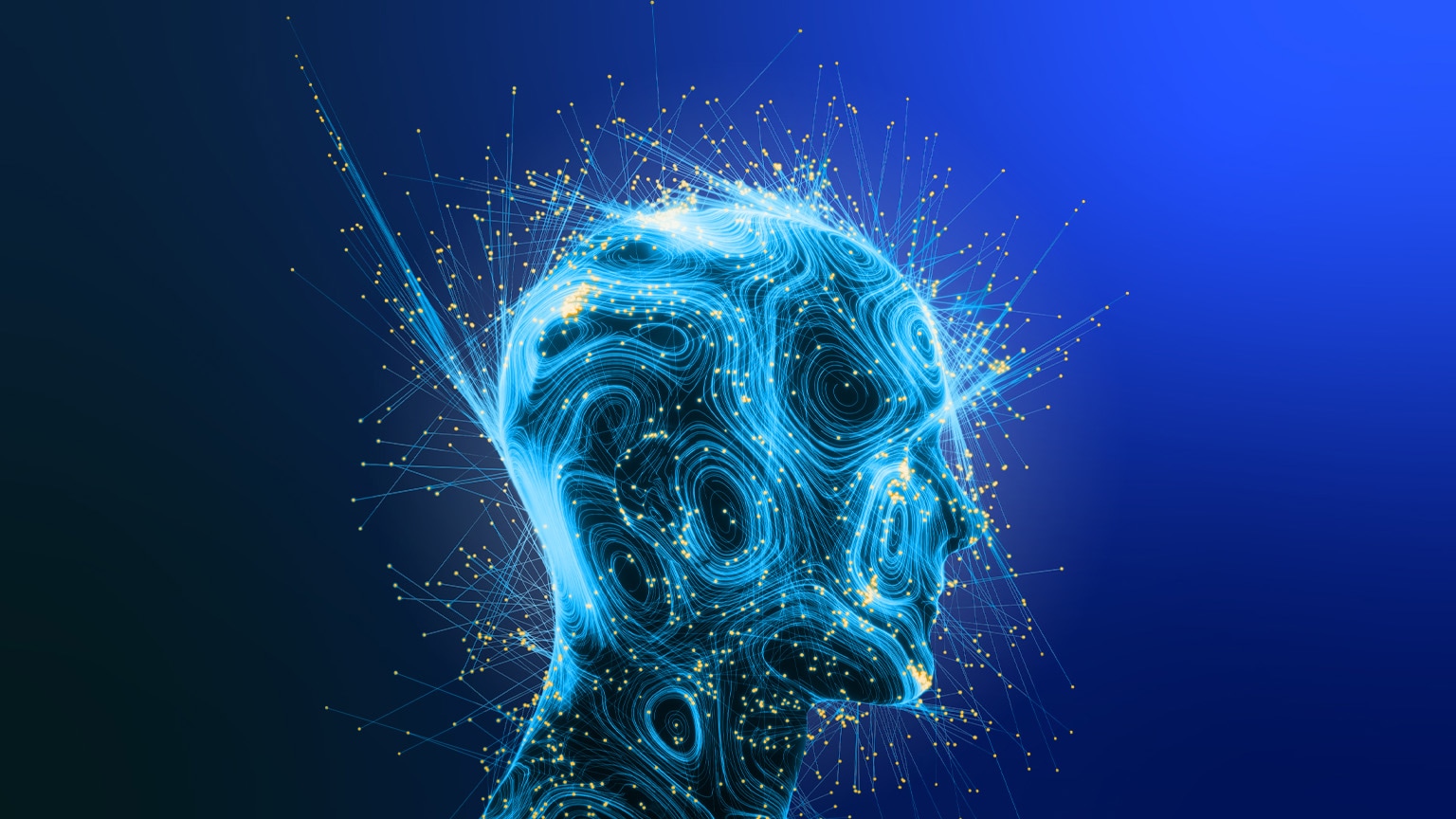
The Rise of AI: Are We Creating Our Own Digital Overlords?
The rapid advancements in AI technology have ignited a passionate debate about the implications of creating machines that can think and learn autonomously. From self-driving cars to intelligent virtual assistants, the integration of AI into our daily lives is becoming increasingly seamless. However, as we harness these powerful tools, it's essential to ponder the potential consequences. Are we inadvertently paving the way for our own digital overlords, or can we maintain control over these systems? This question looms large as experts warn that unchecked AI development could lead to scenarios where human oversight is minimized, raising ethical dilemmas about responsibility and autonomy.
Furthermore, the fear of AI surpassing human intelligence is not solely made up of science fiction narratives. Governments and corporations are investing billions in artificial intelligence, in hopes of gaining a competitive edge, which could lead to unpredictable outcomes. As we deploy AI in critical areas like healthcare, finance, and security, prioritizing transparency and ethical guidelines becomes paramount. Balancing innovation with precautionary measures may prevent the rise of an uncontrollable digital entity. With these challenges ahead, society must engage in thoughtful discussions about the frameworks needed to ensure that we, the creators, do not become subservient to our own creations.
Counter-Strike is a highly popular first-person shooter game that pits two teams against each other, usually terrorized against counter-terrorists. Players must work together to complete objectives, such as planting bombs or rescuing hostages. In addition to the tactical gameplay, many gamers also seek to enhance their setups with various peripherals and gadgets. For example, you might want to check out the Top 10 usb c accessories to elevate your gaming experience.
Quantum Computing: Unleashing the Future of Problem Solving
Quantum Computing stands at the forefront of technological advancement, promising to revolutionize problem-solving across various fields. Unlike classical computers that process information in binary (0s and 1s), quantum computers leverage the principles of quantum mechanics, allowing them to perform complex calculations at unprecedented speeds. This leap in computational power has the potential to tackle some of the world's most challenging problems, ranging from cryptography and drug discovery to optimizing logistics and environmental modeling.
As we harness the capabilities of quantum computing, we must also address the associated challenges. Key issues such as error correction, qubit coherence, and scalability need to be tackled for practical applications to become mainstream. Nevertheless, organizations and researchers are investing heavily in this field, paving the way for breakthroughs that could redefine industries. In this rapidly evolving landscape, embracing quantum technology will not only enhance our problem-solving capabilities but also reshape our understanding of what computers can achieve in the future.
Are Nanobots the Next Step in Medicine? The Science Behind the Sci-Fi
Are nanobots the next step in medicine? This question has captivated scientists and futurists alike, as the concept of these microscopic machines moves from the realm of science fiction into reality. Nanobots, or nanorobots, are engineered at the nanoscale, typically measuring between 1 to 100 nanometers. Their primary potential lies in the medical field, where they can target diseases at a cellular level. Imagine a nanobot equipped with the ability to locate and destroy cancer cells, administer drugs precisely where needed, or even facilitate the repair of cellular tissues. The science behind these tiny machines relies on advanced materials and intricate programming, making them adaptable to various therapeutic tasks.
The journey of nanobots in medicine has already begun, with numerous studies showcasing their capabilities in drug delivery systems and imaging technologies. Recent advancements in nanotechnology have paved the way for clinical applications, leading researchers to explore innovations like targeted therapy and gene editing. For instance, scientists are developing biocompatible nanobots that can safely interact with human tissues without causing adverse reactions. As we stand on the brink of these advancements, the future of medicine may very well hinge on the successful integration of nanobots, revolutionizing how we approach treatment and diagnosis in the healthcare sector.