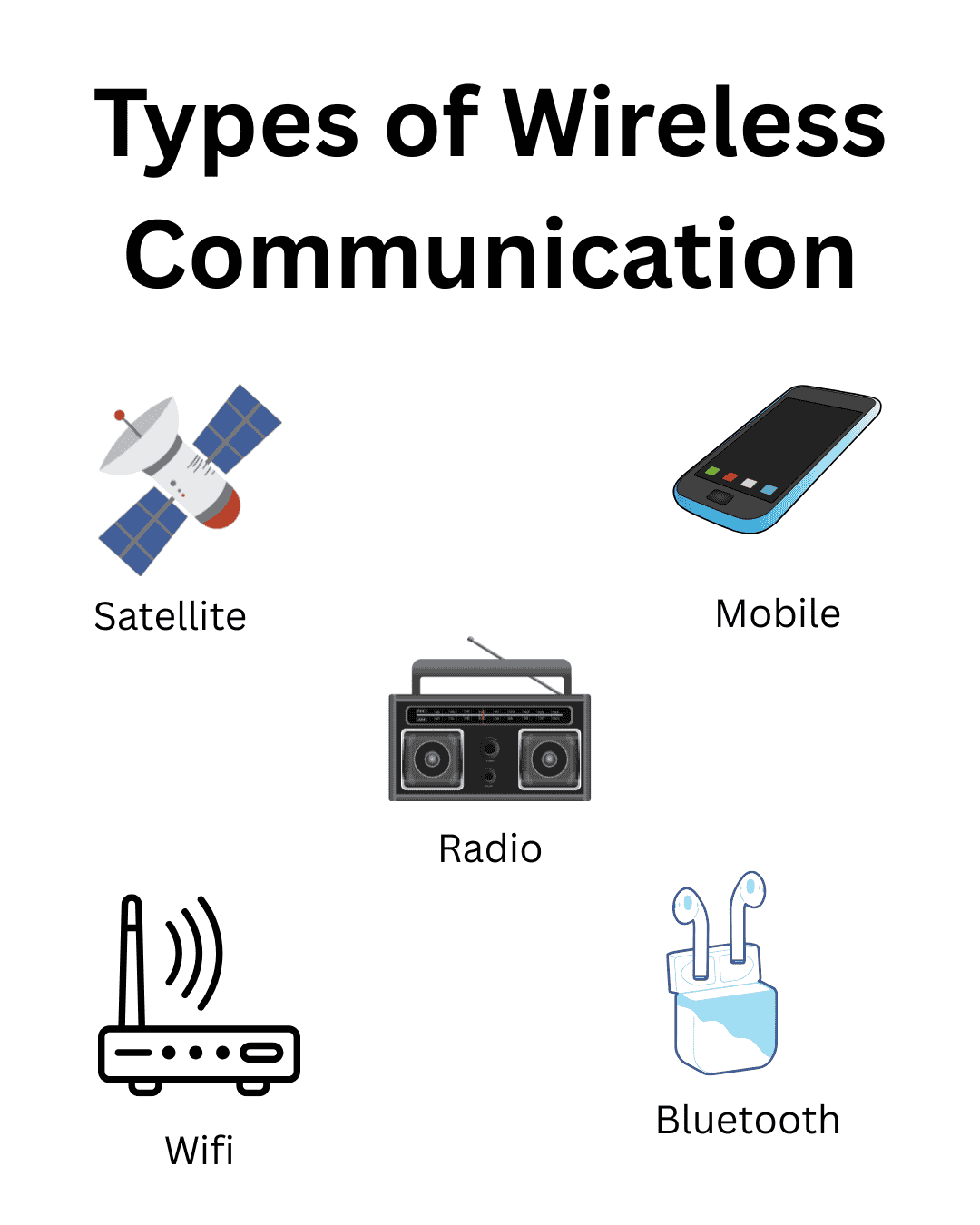
The Rise of Wireless Technology: How It Revolutionized Our Daily Lives
The advent of wireless technology has fundamentally transformed the way we interact with the world around us. From the early days of radio communication to the omnipresence of smartphones and smart home devices, wireless tech has woven itself into the fabric of our daily lives. Today, we rely on wireless technology for everything from instant communication to seamless internet access, turning once cumbersome tasks into rapid, efficient actions. The integration of wireless devices into our routines has not only enhanced convenience but also created new opportunities for remote work, learning, and social interaction, highlighting the profound impact it has on our modern lifestyle.
Moreover, the benefits of wireless technology extend beyond personal convenience; it plays a crucial role in advancing various industries. For instance, the healthcare sector has harnessed wireless solutions for telemedicine, allowing patients to consult doctors remotely and access health monitoring devices that send data in real time. Similarly, education has embraced wireless technology to facilitate online learning, making knowledge accessible to learners worldwide. As we continue to innovate and develop new wireless solutions, the future promises further enhancements in connectivity, demonstrating just how much wireless technology has revolutionized our daily lives and will continue to do so.
Counter-Strike is a popular tactical first-person shooter game that emphasizes teamwork, strategy, and skill. Players choose between two teams: terrorists and counter-terrorists, each with distinct objectives. The game has evolved significantly since its inception, with several iterations and updates that have shaped the competitive gaming landscape. For gamers looking to enhance their experience, there are various accessories available, including the Top 10 Samsung Galaxy Accessories, which can elevate gameplay through improved communication and comfort.
10 Surprising Benefits of Going Wireless: From Home to Office
In today's fast-paced world, the shift towards wireless technology is reshaping the way we live and work. One of the most surprising benefits of going wireless is the increased mobility it offers. Whether you're in your home or at the office, the freedom from tangled cords allows for a more dynamic workspace. This flexibility not only enhances productivity but also encourages creativity, as you can work from various locations without being tied down. Furthermore, wireless devices such as laptops and tablets enable seamless connectivity, ensuring that you can access important information anytime, anywhere.
Another notable advantage of wireless technology is the simplified setup and installation. Gone are the days of grappling with multiple wires and connectors, making it easier for individuals and businesses to transition to a more organized space. This streamlined approach not only reduces clutter but also minimizes downtime associated with setup. Additionally, wireless devices often come equipped with advanced features that enhance user experience, such as automatic updates and the ability to connect multiple devices simultaneously. Overall, embracing wireless technology can lead to a more efficient and enjoyable environment, both at home and in the office.
Are We Truly Wireless? Exploring the Myths and Realities of Untethered Living
As our world becomes increasingly digital, the concept of being wired versus wireless has taken center stage in discussions about modern living. The allure of untethered living suggests freedom and convenience, allowing us to connect to the internet and devices without the clutter of cords. However, this perception is often clouded by misconceptions about what it truly means to be wireless. For instance, many people believe that wireless connections equate to complete freedom from limitations, but factors such as battery life, signal interference, and regional availability remind us that we are still bound by physical realities, even in our wireless pursuits.
Moreover, the infrastructure supporting our wireless lifestyle introduces another layer of complexity. Technologies like Wi-Fi, Bluetooth, and cellular networks require tangible components such as routers and cell towers, suggesting that our devices, while appearing wireless, remain intricately linked to a web of hardware. This raises an intriguing question: are we truly wireless, or are we living in a carefully curated illusion? By understanding these myths and realities, we can better navigate our connectivity options and appreciate the blend of technology and physicality that characterizes our untethered living.