Understanding the Risks & Your Free VPN Solution: What's Really Happening on Public Wi-Fi and How Your Free VPN Helps (Common Questions Answered!)
Navigating public Wi-Fi without protection is akin to broadcasting your personal information to a crowd. Every email you send, every website you visit, every online transaction you make could be intercepted by malicious actors. These risks extend beyond mere eavesdropping; they encompass everything from identity theft and financial fraud to the injection of malware onto your device. Unlike your secure home network, public Wi-Fi often lacks encryption, making it a playground for cybercriminals. They can easily set up fake Wi-Fi hotspots, known as 'evil twin' attacks, mimicking legitimate networks to trick you into connecting and then stealing your data. Understanding these inherent vulnerabilities is the crucial first step in safeguarding your digital self when you're out and about.
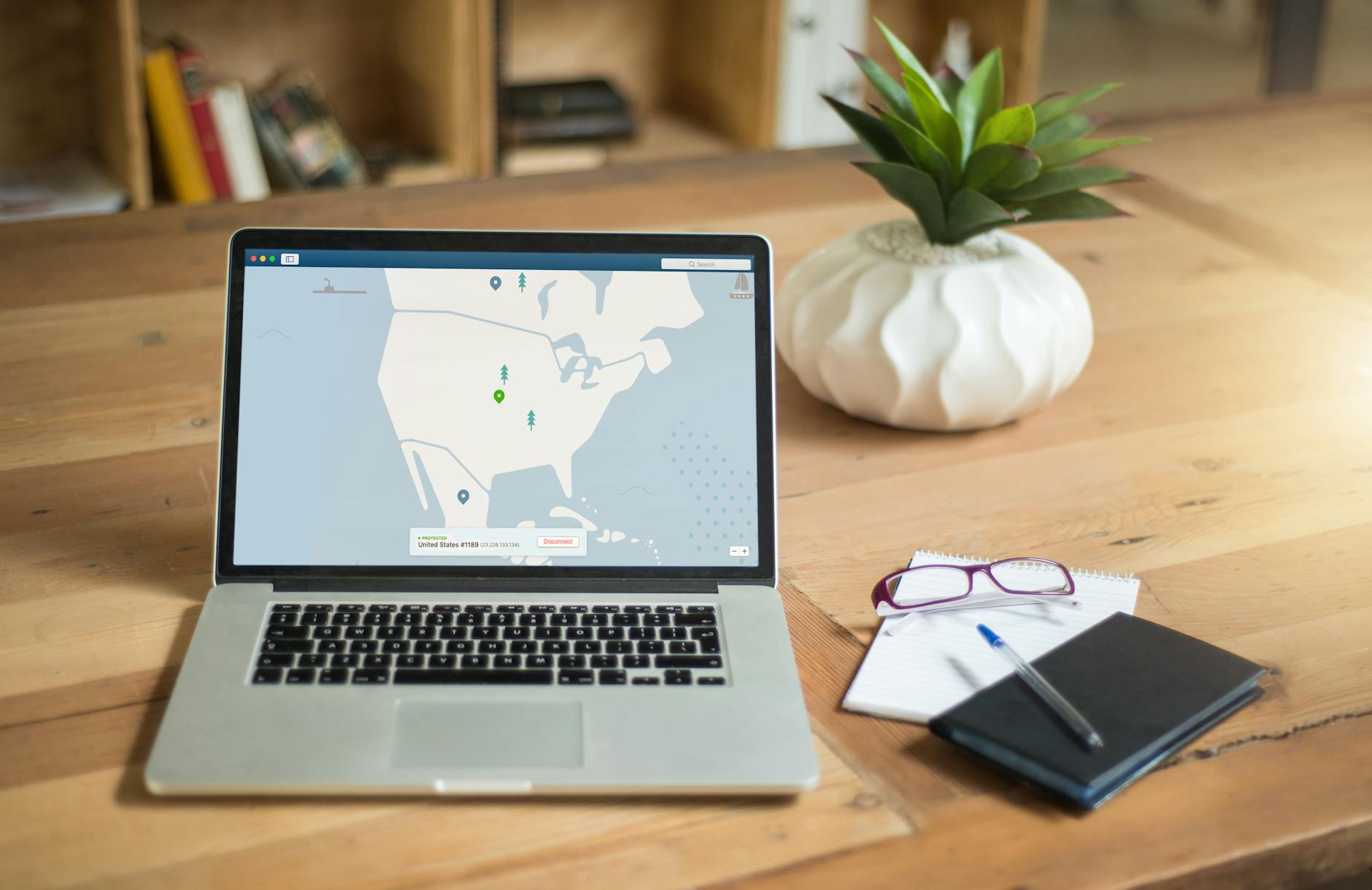
This is precisely where your free VPN solution steps in, acting as a vital shield against these looming threats. Instead of directly connecting to the public Wi-Fi, your VPN creates a secure, encrypted tunnel between your device and the internet. This means all your online activities – every click, every search, every login – are scrambled and indecipherable to anyone trying to snoop. Think of it as a private, invisible pathway through the public internet. Common questions often arise:
'Is my data truly safe?' and 'How does a free service manage this?'While free VPNs may have limitations in terms of speed or server locations, their primary function of encrypting your connection on public Wi-Fi remains robust, significantly reducing your exposure to data breaches and privacy invasions. It's a fundamental layer of protection, transforming a risky connection into a relatively secure one.
When searching for a reliable and cost-effective solution to protect your online privacy, it's essential to consider the best free VPN services available. While free VPNs often come with limitations compared to their paid counterparts, many still offer decent security features and access to geo-restricted content, making them a popular choice for budget-conscious users.
Activating Your Free Shield: Step-by-Step Setup, Practical Usage Tips, and Troubleshooting Common Free VPN Glitches
Embarking on the journey of securing your online presence with a free VPN doesn't have to be daunting. This section guides you through the entire process, ensuring a smooth transition from download to full digital protection. First, you'll need to select a reputable free VPN provider. While 'free' can sometimes be a red flag, many trustworthy options exist. Once chosen, navigate to their official website or app store to download and install the client. The setup process is typically straightforward, often involving a single click to install. Upon successful installation, launch the application and follow the on-screen prompts to create an account (if required) and connect to a server. Remember to always opt for the closest server for optimal speed, unless your objective is to bypass geo-restrictions.
Maximizing the benefits of your free VPN involves understanding its practical usage and being prepared for common hiccups. For everyday browsing, simply connect to a server before accessing the internet. If you encounter slow speeds, try switching to a different server or restarting the VPN application.
Pro Tip: Many free VPNs have data caps or bandwidth limitations. Monitor your usage to avoid unexpected disconnections.Common troubleshooting steps include checking your internet connection, ensuring the VPN client is updated, and temporarily disabling your firewall or antivirus to see if it's interfering. Persistent issues might require consulting the VPN provider's support resources or community forums, which can often offer solutions to specific glitches like connection drops or inability to access certain websites. By following these steps, you can effectively leverage your free VPN for enhanced online privacy.