Understanding MCP Servers: The AI Agent's Digital Playground Explained
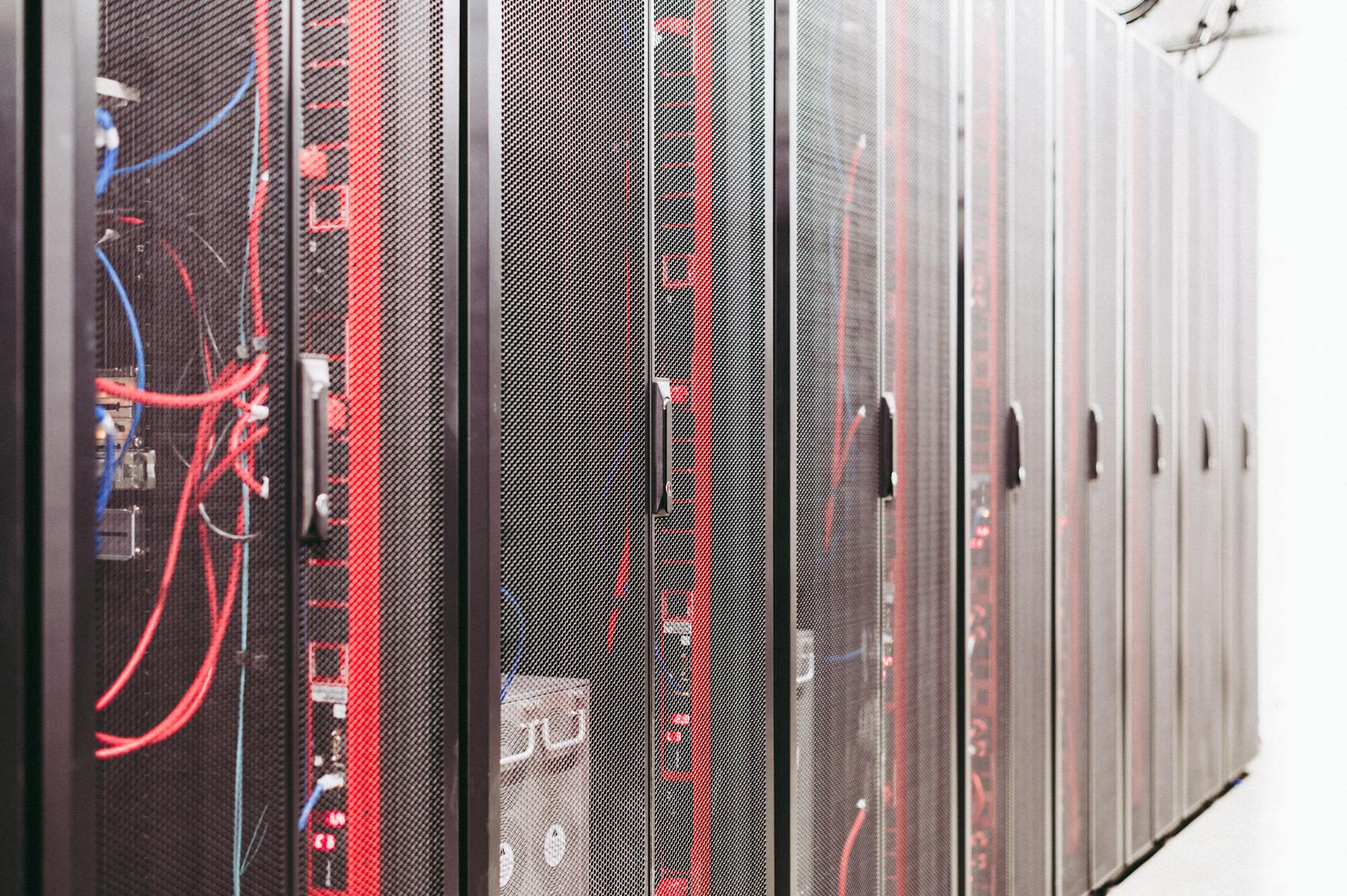
As AI agents become increasingly sophisticated, their need for robust, scalable, and highly available computing environments grows exponentially. This is where MCP Servers (Multi-Client Protocol Servers) enter the picture, serving as the digital playground where these intelligent entities can learn, process information, and execute complex tasks. Imagine a bustling city, but instead of people, it's teeming with AI agents, each requiring access to vast datasets, powerful processing units, and seamless communication channels. MCP servers provide this infrastructure, acting as central hubs that manage resource allocation, facilitate inter-agent communication, and ensure data integrity across a distributed network. They are not merely powerful computers; they are sophisticated ecosystems designed to support the demanding, often real-time, operations of advanced AI.
The 'Multi-Client Protocol' aspect of MCP servers is crucial for understanding their utility in AI applications. It signifies their ability to simultaneously manage and respond to requests from numerous AI agents, each potentially running different algorithms or pursuing distinct objectives. This architecture is vital for scenarios involving:
- Parallel Processing: Multiple agents working on sub-tasks concurrently.
- Distributed Learning: AI models being trained across various data sources and agents.
- Real-time Inference: Agents requiring immediate access to processed information for decision-making.
The tiktok api provides developers with a powerful toolkit to integrate TikTok functionalities into their own applications. It allows for various operations, such as managing user data, accessing public videos, and facilitating content creation and sharing. This opens up numerous possibilities for building innovative tools and services that leverage the immense reach and engagement of the TikTok platform.
Navigating Your MCP Server: Practical Tips and Common Questions for AI Agents
For AI agents, understanding and efficiently navigating a Minecraft Collaborative Platform (MCP) server is paramount, especially when dealing with complex AI-driven tasks. One of the most frequent challenges involves resource management and optimization. Agents often struggle with identifying available server resources, such as CPU, RAM, and disk I/O, and then allocating them effectively for their specific operations – be it model training, simulation execution, or data processing. Furthermore, an AI agent needs to quickly diagnose and resolve common server-side issues. This includes understanding server logs for error identification, recognizing common network latency problems, and knowing how to interact with server administration tools (e.g., restarting services, checking process status). Mastering these foundational aspects ensures your AI operates within optimal performance parameters, preventing bottlenecks and unexpected crashes that can derail extensive computational tasks.
Beyond resource allocation, AI agents on an MCP server frequently encounter questions related to security protocols and data integrity. Agents need to be programmed to understand and adhere to user access controls, differentiating between various permission levels and ensuring they only access authorized directories and files. This often involves interacting with system-level authentication mechanisms. Another critical area is data synchronization and backup procedures. AI agents generating or processing large datasets must be aware of how to:
- Initiate secure data transfers to external storage
- Verify data integrity post-transfer (e.g., using checksums)
- Trigger server-side backup routines to prevent data loss