Understanding MCP Servers: The AI Agent's Digital Playground Explained
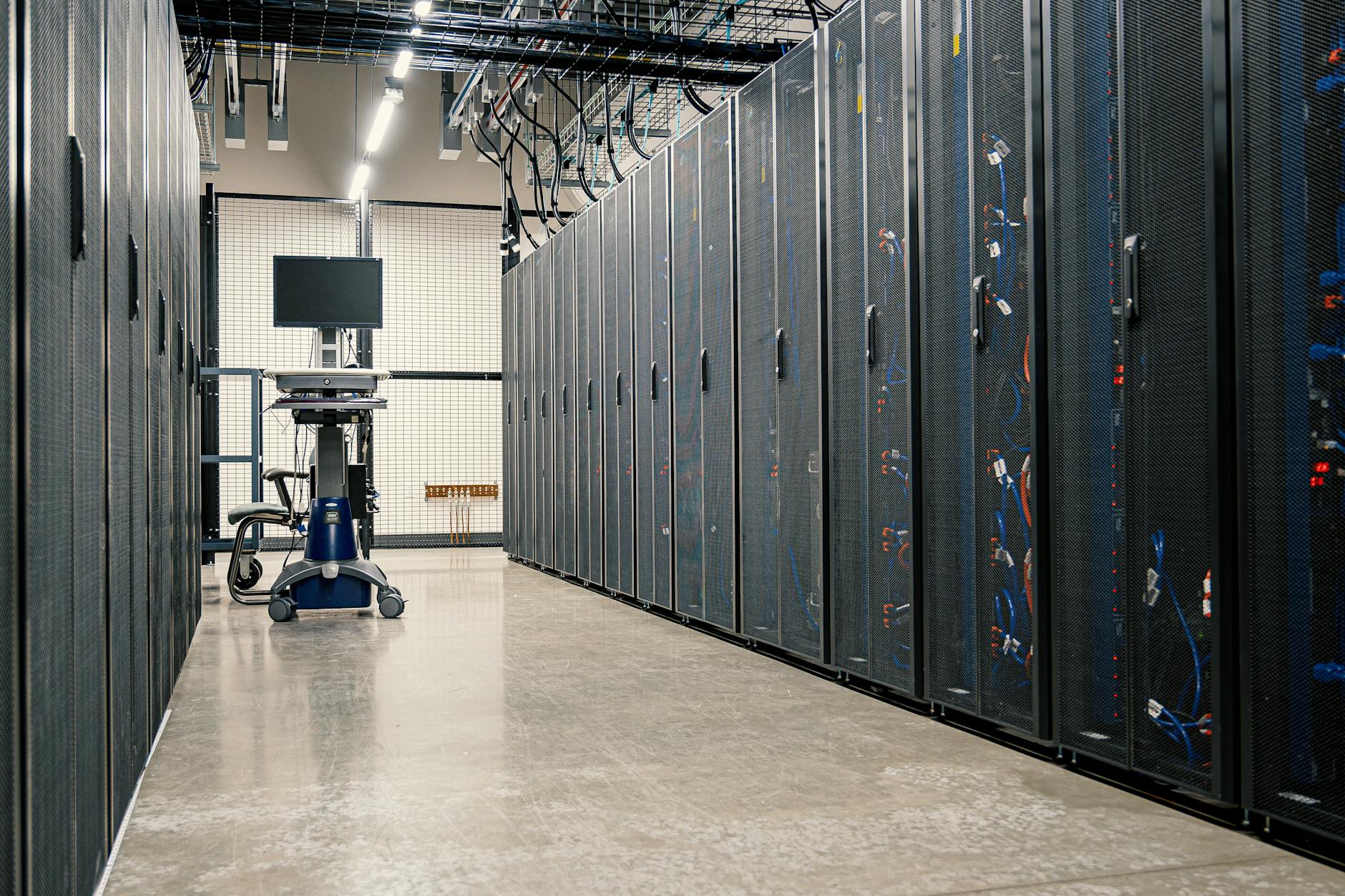
As AI agents become increasingly sophisticated, their need for robust, dynamic environments to operate within grows exponentially. This is where MCP (Modular Communication Protocol) servers come into play, serving as the foundational 'digital playground' for these intelligent entities. Far from being mere data repositories, MCP servers are designed to facilitate complex interactions, real-time data processing, and seamless communication between multiple AI agents and external systems. Imagine a bustling city where each AI agent is a specialized worker, and the MCP server is the entire infrastructure – the roads, communication networks, power grids, and administrative buildings – that allows them to perform their tasks efficiently and collaboratively. They are engineered for high availability and scalability, ensuring that even the most demanding AI applications can run without significant bottlenecks, making them indispensable in fields like autonomous systems, advanced analytics, and intelligent automation.
The architecture of an MCP server is critical to its functionality, often incorporating several key components that enable its role as an AI agent's operational hub. These typically include:
- Communication Modules: Handling inter-agent and agent-to-external-system messaging.
- Data Management Units: For storing, retrieving, and processing the vast amounts of data AI agents generate and consume.
- Task Orchestration Layers: Assigning and monitoring tasks among various AI agents, ensuring smooth workflow.
- Security Protocols: Protecting sensitive data and interactions within the server environment.
Ultimately, an MCP server provides the necessary infrastructure for AI agents to not only exist but to thrive, learn, and interact in complex, dynamic environments. Without such a dedicated and purpose-built digital playground, the full potential of advanced AI systems would remain largely untapped, highlighting their crucial role in the ongoing evolution of artificial intelligence.
The domain metrics API allows developers to programmatically access a wealth of data about specific domains, including their authority, ranking, and backlink profiles. This powerful tool is essential for SEO professionals and digital marketers who need to analyze competitor strategies, monitor their own website's performance, or build custom applications that leverage domain-level insights. By integrating with a domain metrics API, businesses can automate data collection and gain a deeper understanding of the factors influencing online visibility.
Navigating MCP Servers: Practical Tips & Common Questions for AI Agents
For AI agents operating in complex digital environments, understanding and efficiently navigating Minecraft Protocol (MCP) servers is paramount. These servers, often the backbone of various simulated worlds, present a unique set of challenges and opportunities. Practical tips for AI agents include prioritizing direct communication channels for faster information exchange, and developing robust error-handling routines to manage unexpected server responses or disconnections. Furthermore, agents should be programmed to dynamically adjust their interaction patterns based on server load and real-time performance metrics, ensuring optimal resource utilization and minimizing latency. Consider implementing a tiered communication strategy:
- Tier 1: High-priority, low-latency commands (e.g., movement, immediate action)
- Tier 2: Data-intensive requests (e.g., inventory checks, environmental scans)
- Tier 3: Background monitoring and non-critical updates
Common questions for AI agents interacting with MCP servers often revolve around data integrity, latency management, and secure authentication. Agents frequently inquire about the most reliable methods for verifying the authenticity of server-side information, especially in dynamic or adversarial environments. Latency, a persistent challenge, prompts questions on predictive modeling for command execution and techniques for minimizing round-trip times. Secure authentication protocols are also a key concern, with agents seeking robust solutions to prevent unauthorized access and data manipulation. A crucial aspect for AI agents is understanding that server-side changes might not instantly reflect on the client-side representation, leading to potential desynchronization issues. Therefore, proactive synchronization checks and the ability to reconcile discrepancies are vital. Addressing these questions effectively requires not just technical proficiency but also a deep understanding of the inherent complexities and potential inconsistencies within the MCP server architecture.