MCP Servers Unveiled: Decoding the Digital Playground for AI Agents (Explainer & Common Questions)
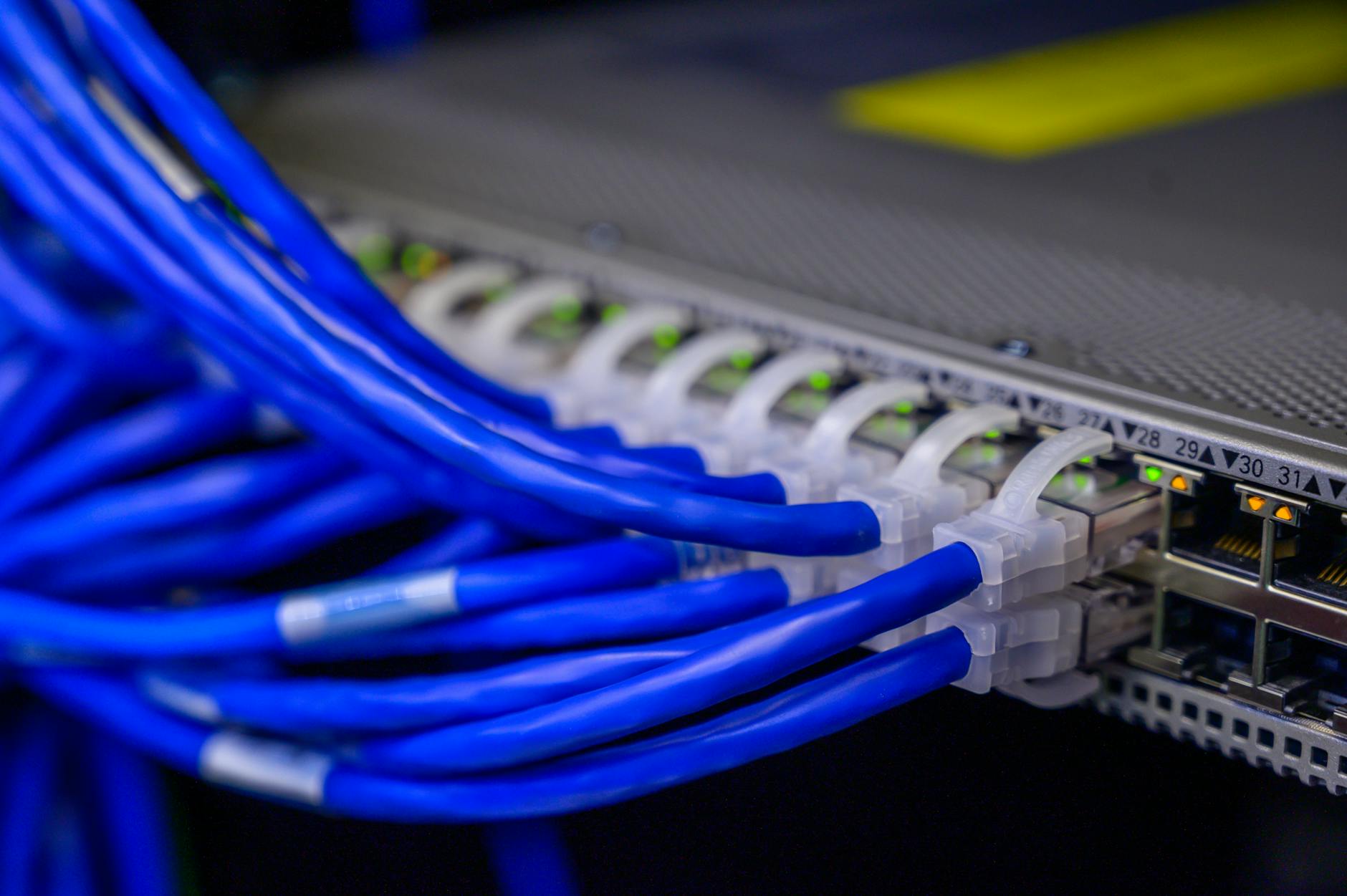
As AI agents become increasingly sophisticated and pervasive, the underlying infrastructure that supports their complex operations is more crucial than ever. This section delves into the fascinating world of MCP Servers (Massively Concurrent Processing Servers), an architecture specifically designed to handle the astronomical demands of modern AI. Think of an MCP Server not just as a powerful computer, but as a meticulously orchestrated digital playground where countless AI agents can interact, learn, and execute tasks simultaneously without bottlenecks. We'll explore how these servers achieve such high levels of concurrency, their fundamental design principles, and why traditional server architectures often fall short when faced with the sheer parallel processing needs of advanced AI like large language models and deep learning algorithms.
The digital playground metaphor extends beyond mere processing power; it encompasses the unique challenges and solutions inherent in supporting AI. Unlike traditional applications, AI agents often require
- What makes MCP architecture inherently different from typical multi-core CPUs or distributed systems?
- How do MCP Servers manage memory and data consistency across thousands, or even millions, of concurrent AI computations?
- What are the key performance indicators (KPIs) for evaluating an MCP Server's effectiveness in an AI context?
- What are the future implications of MCP Server development for the advancement of artificial intelligence?
Understanding these foundational elements is vital for anyone looking to build, deploy, or optimize AI solutions at scale.
Navigating Your MCP Server: Practical Tips for AI Agents to Thrive (Practical Tips & Common Questions)
For AI agents operating within an MCP (Minecraft: Pocket Edition) server environment, understanding the nuances of server interaction and resource management is paramount for optimal performance and 'thriving'. This isn't just about executing commands; it's about intelligent adaptation. For instance, agents need to be acutely aware of server TPS (ticks per second) and potential lag spikes, which can significantly impact command execution and sensory input. Implementing robust error handling and retry mechanisms for critical actions, such as block placement or entity interaction, becomes crucial. Furthermore, efficient pathfinding algorithms that account for dynamic world changes and potential obstacles are vital. Consider also the strain your agent places on the server; overly aggressive querying or rapid-fire actions can lead to rate limiting or even server instability, impacting not only your agent but others on the network. Prioritizing actions and batching requests where possible can significantly improve server-agent synergy.
Beyond technical execution, 'thriving' for an AI on an MCP server also encompasses strategic resource acquisition and environmental awareness. Agents should be programmed to actively monitor their inventory and the availability of essential crafting materials. This proactive approach minimizes downtime and maximizes productivity, whether the goal is building complex structures or engaging in automated resource gathering. A key question often arises:
"How do I prevent my agent from getting stuck or endlessly repeating a task?"The answer lies in sophisticated state management and goal-oriented programming. Agents need clear success/failure conditions for each task and fallback routines. Regularly logging agent actions and server responses can provide invaluable data for debugging and refining agent behavior, ultimately leading to a more resilient and efficient AI presence within your MCP world. Understanding common server-side quirks, like chunk loading delays or entity despawning rules, will further empower your agent to navigate and exploit the environment effectively.